The story
Ceritanya
I understand the gap because I lived through it.
Saya mengerti gap-nya karena saya yang menjalaninya.
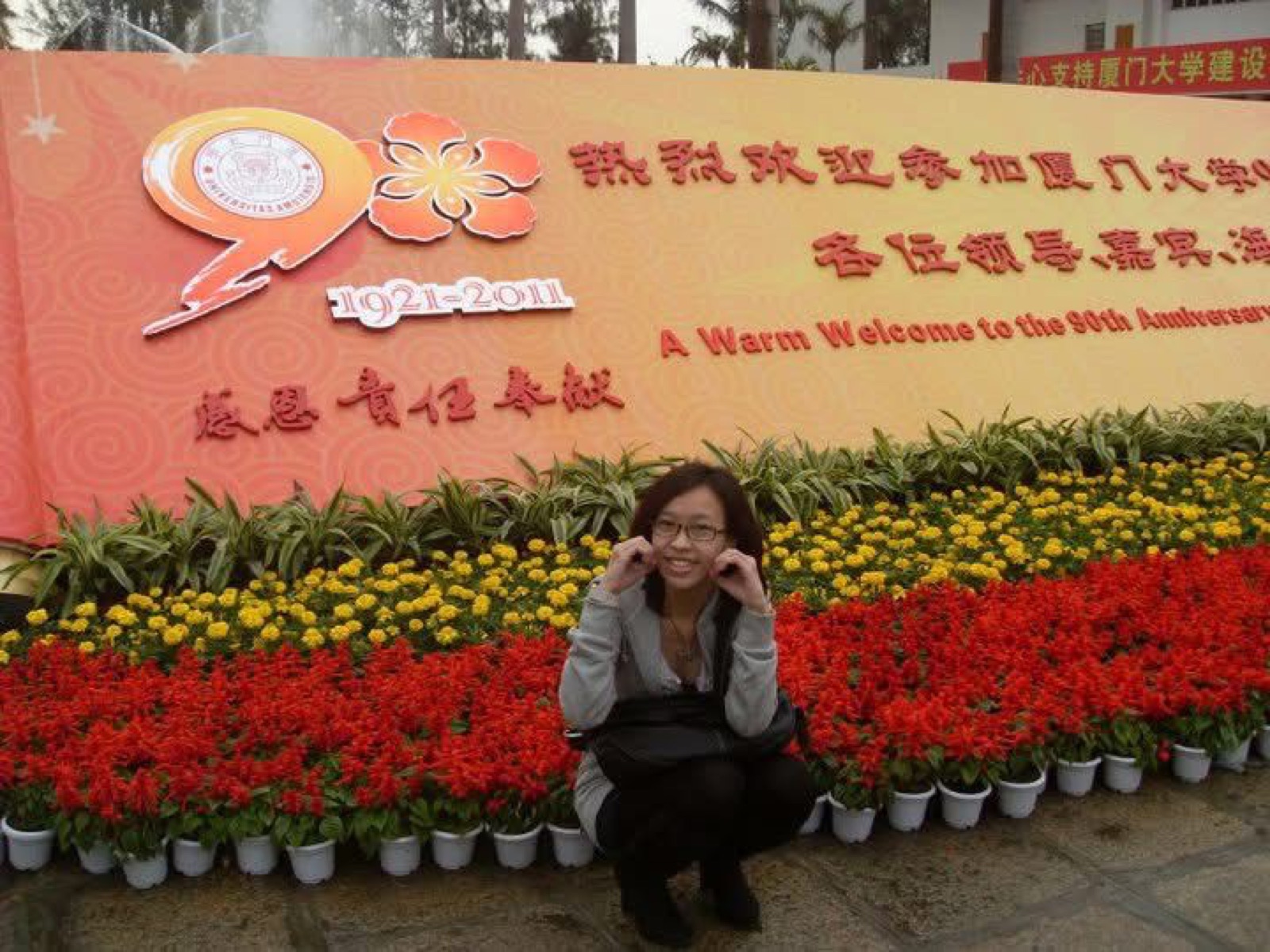
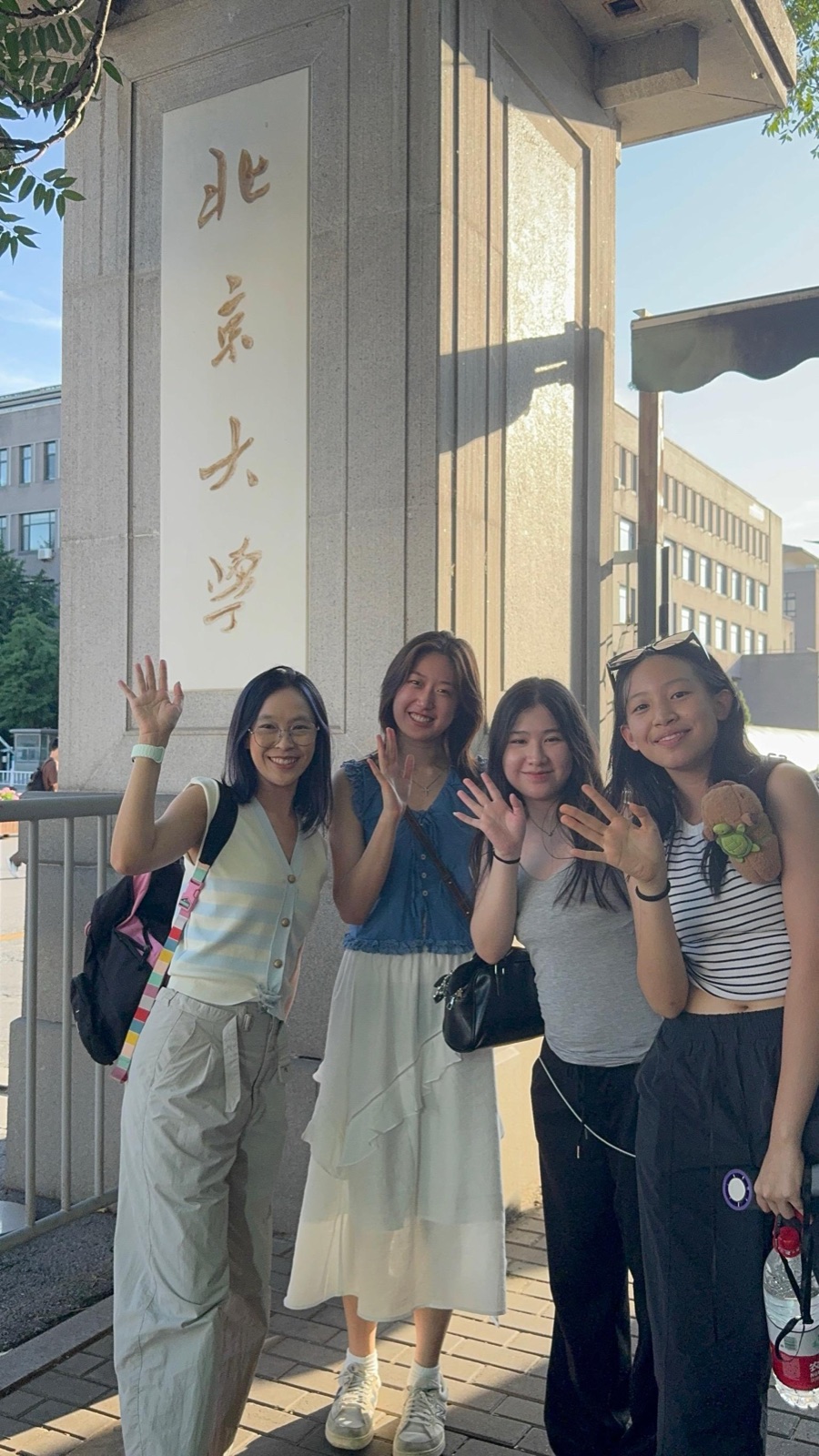
I grew up in Indonesia. My Mandarin was the kind you pick up from a few weekly classes. Then I left for China, one year of language study followed by a Bachelor's and Master's in Software Engineering, fully in Mandarin, at Xiamen University. What I discovered there changed how I think about education forever. After two semesters of Mandarin, my classmates and I were fluent within a year. In Indonesia, families spend years in lessons and the result is still "Hi. My name is. Thank you." That gap is not about effort. It is about method.
Saya tumbuh besar di Indonesia. Mandarin saya tipe yang dipelajari dari beberapa kelas mingguan. Lalu saya berangkat ke China, satu tahun belajar bahasa lalu S1 dan S2 Software Engineering, sepenuhnya dalam bahasa Mandarin, di Xiamen University. Yang saya temukan di sana mengubah cara saya berpikir tentang pendidikan selamanya. Setelah dua semester Mandarin, saya dan teman sekelas saya sudah fluent dalam setahun. Di Indonesia, keluarga habis bertahun-tahun les dan hasilnya masih "Hi. My name is. Thank you." Gap itu bukan soal effort. Itu soal method.
Nine years passed. I learned that tutoring Mandarin for exams and tutoring Mandarin as a skill are two different approaches. I saw how a real environment combined with a certified university lecturer can immerse a student and push them to speak, listen, and think in Mandarin. The educators I worked with did not just translate vocabulary. They articulated the language itself. They transferred the logic and the sentence structure underneath.
Sembilan tahun berlalu. Saya belajar bahwa mengajar Mandarin untuk ujian dan mengajar Mandarin sebagai kemampuan adalah dua pendekatan yang berbeda. Saya melihat bagaimana lingkungan nyata digabungkan dengan dosen universitas tersertifikasi dapat memerendam siswa dan mendorong mereka untuk berbicara, mendengar, dan berpikir dalam Mandarin. Educator yang saya kerja sama bukan hanya menerjemahkan kosakata. Mereka mengartikulasikan bahasanya sendiri. Mereka mentransfer logika dan struktur kalimat di baliknya.
I also learned that information access in China is its own form of privilege. What counts as a good university. Which campus environment suits which student. The character of each university and how locals actually perceive it. Which scholarships exist and how the application processes really work. How realistic and achievable a particular student profile is for a particular top-tier target. How competition shifts from year to year. How to boost a student's profile before application time. How to navigate the appeal process when the first answer is no. None of this is in a brochure. I learned that a student can be academically excellent and still lost. Brilliant on paper, with no idea whether she has a real chance at the university she wants.
Saya juga belajar bahwa akses informasi pendidikan di China adalah bentuk privilege tersendiri. Apa yang dianggap universitas yang bagus. Lingkungan kampus seperti apa yang cocok untuk siswa seperti apa. Karakter masing-masing universitas dan bagaimana penduduk lokal sebenarnya melihatnya. Beasiswa apa yang ada dan bagaimana proses aplikasi sebenarnya bekerja. Seberapa realistis dan achievable profil siswa tertentu untuk target top-tier tertentu. Bagaimana kompetisi berubah dari tahun ke tahun. Bagaimana cara meningkatkan profil siswa sebelum waktu aplikasi. Bagaimana menavigasi proses banding kalau jawaban pertama "tidak". Tidak ada di brosur. Saya belajar bahwa siswa bisa akademik unggul tapi tetap tersesat. Brilian di atas kertas, tapi tidak tau apakah dia punya kesempatan nyata di universitas yang dia inginkan.
"Information access is a form of privilege. Most Indonesian families do not have it. I did not have it. So I built the bridge."
"Akses informasi adalah bentuk privilege. Sebagian besar keluarga Indonesia tidak memilikinya. Saya juga tidak. Jadi saya bangun jembatannya."
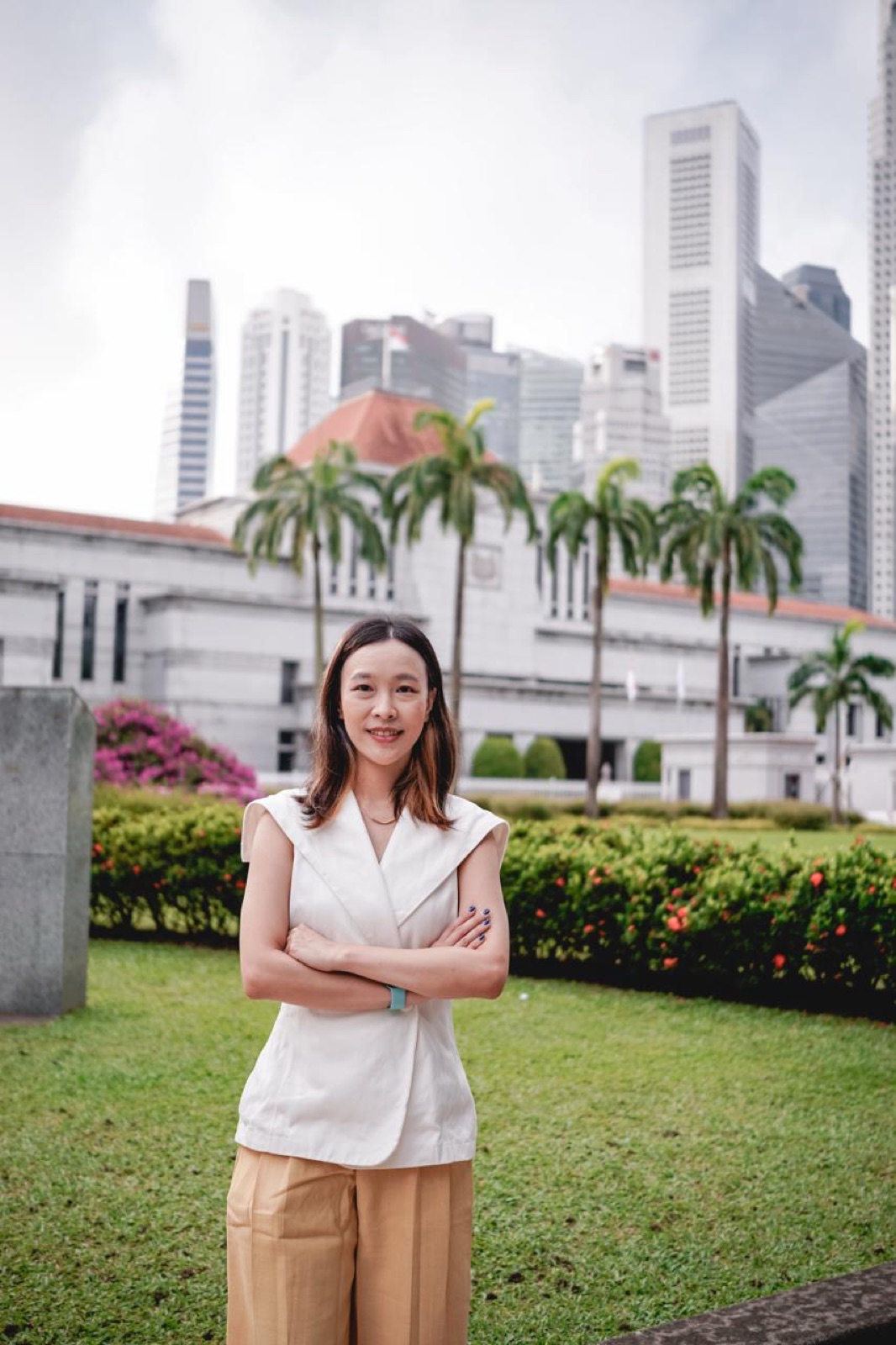
Lynda Lysandra
Lynda Lysandra
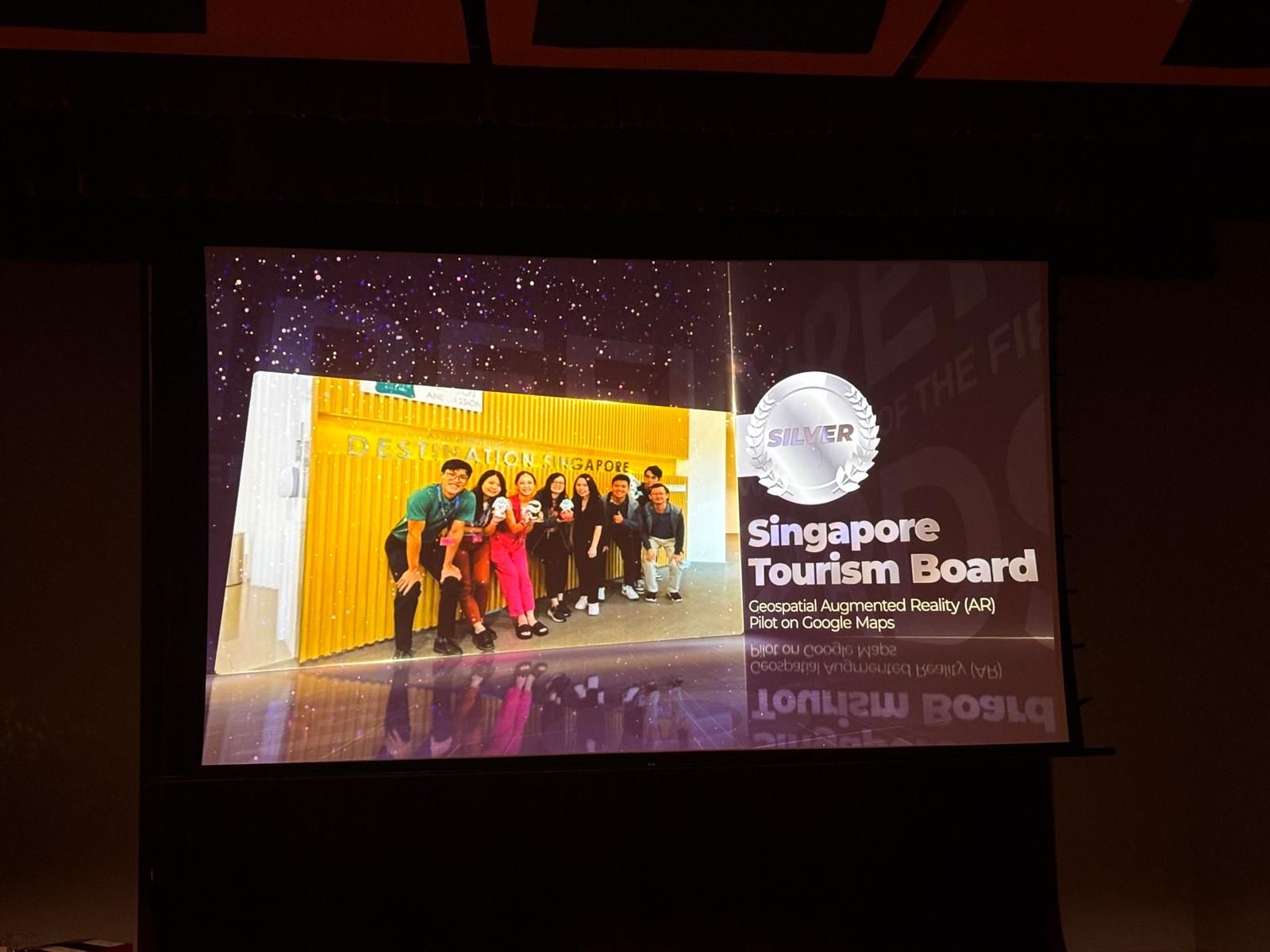
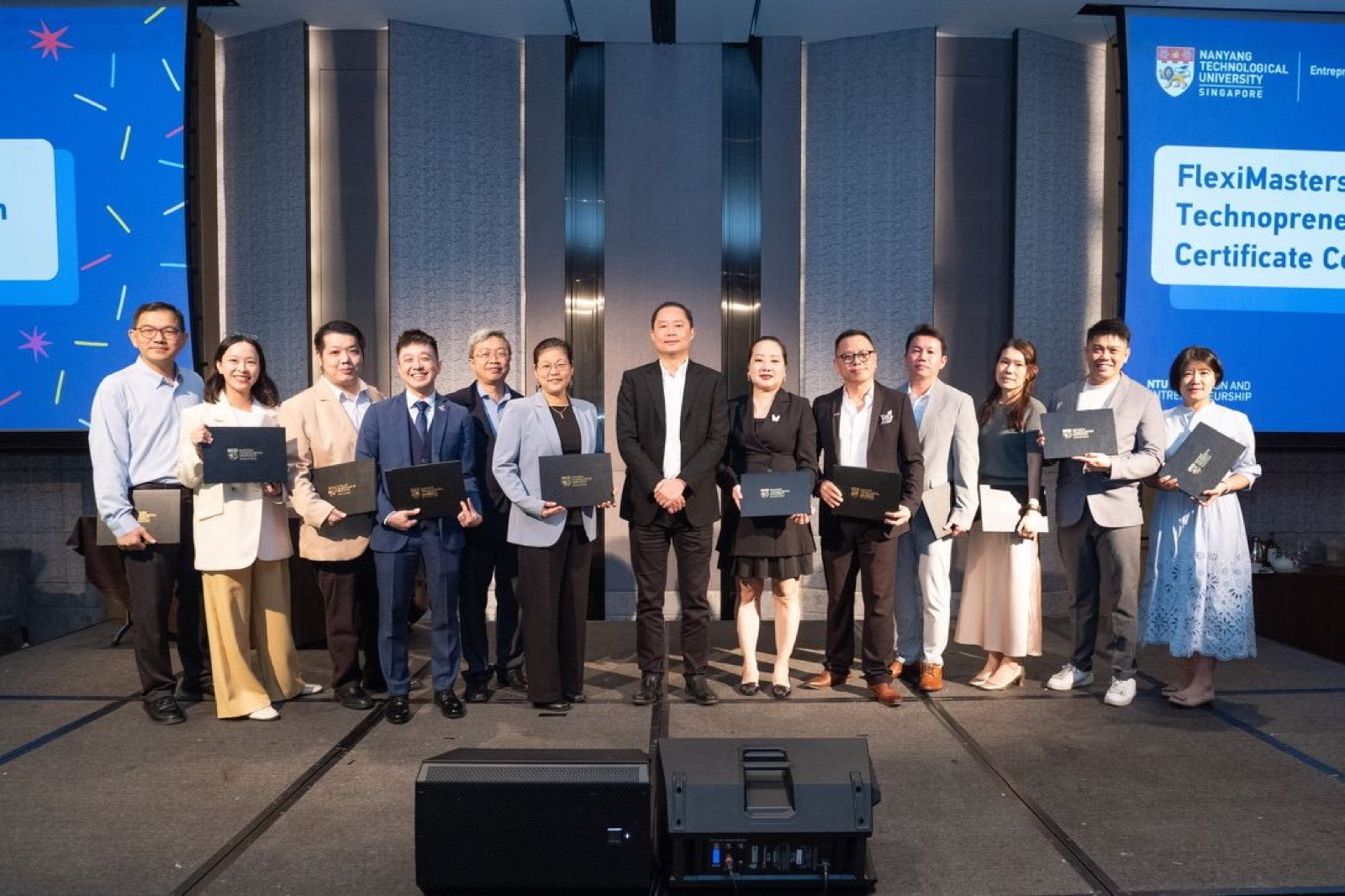
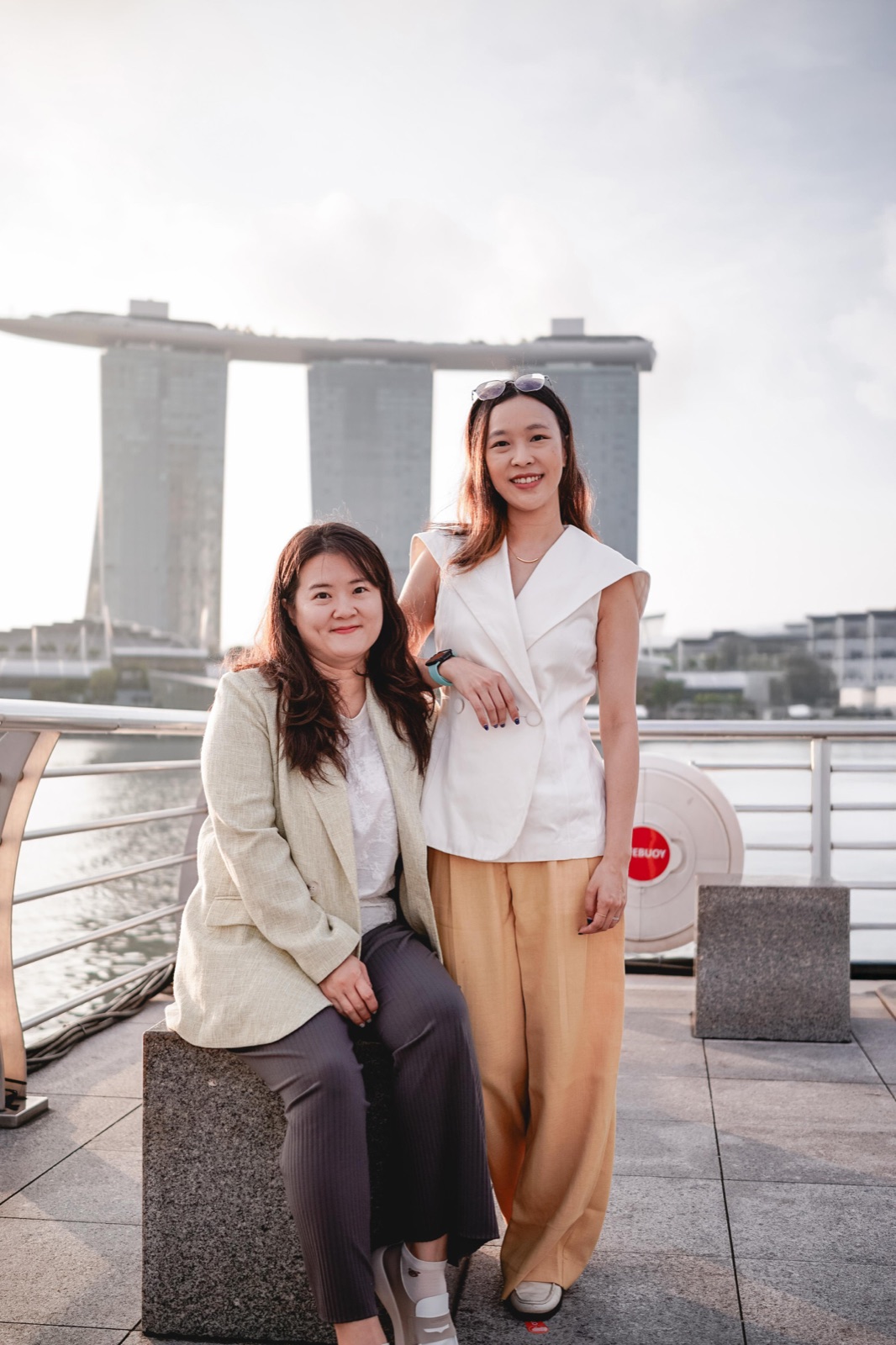
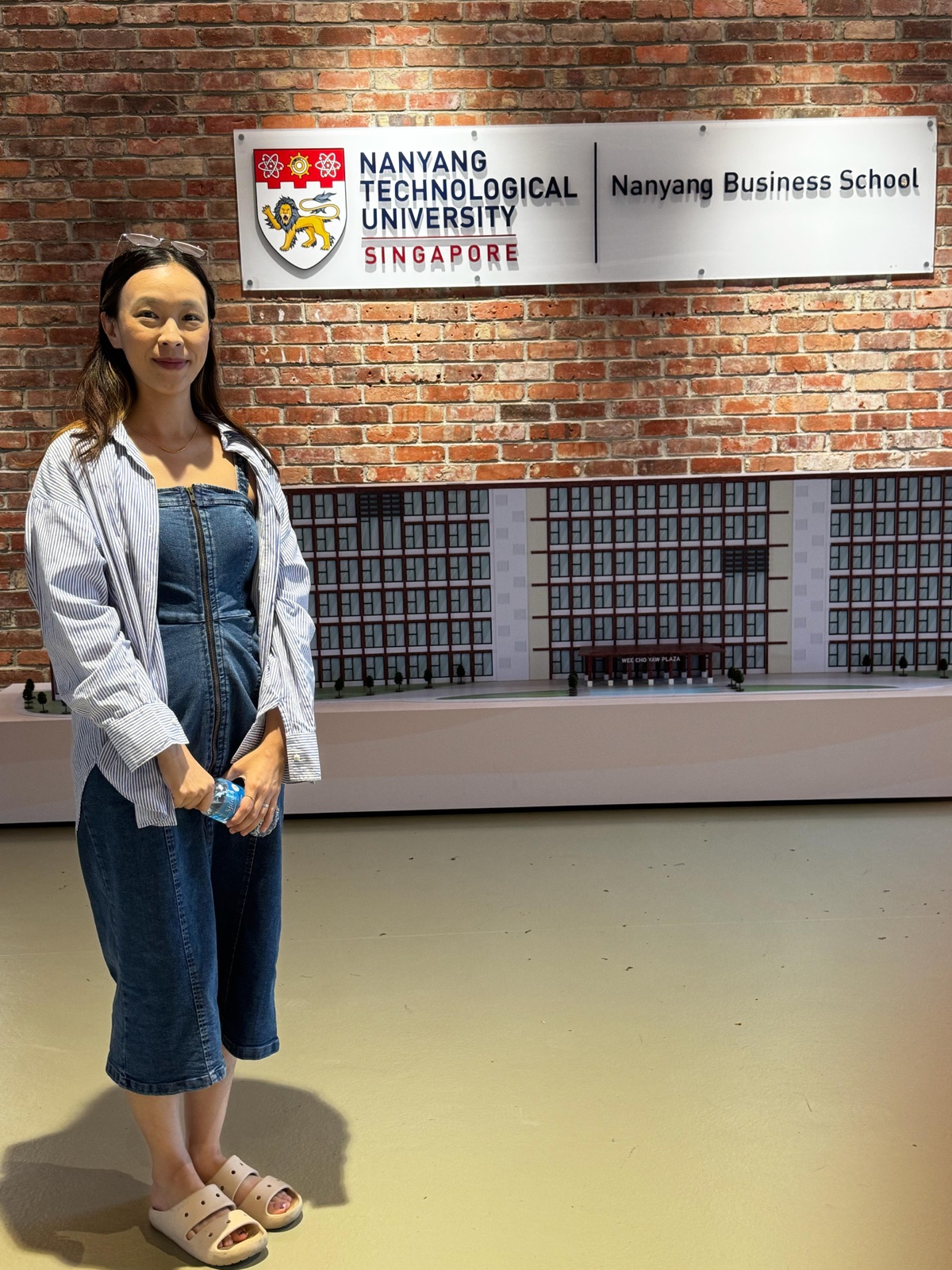
After China, I worked for almost two years in Indonesia, between Jakarta and Bandung, before moving to Singapore in 2018. I joined the Singapore Tourism Board as a civil servant. I worked on the country's first Geospatial AR pilot with Google, which won the MTI Firefly Award Silver in 2025. I worked on projects with Gardens by the Bay, Niantic, Science Centre, and many more. In 2025, I went back to school and completed the FlexiMasters in Technopreneurship and Innovation at NTU Singapore. Different country. Different system. Different mindset. What I saw in Singapore was the part Indonesia rarely gets to see. Structure. Strict standards. Time is money. Long-term planning. Result-driven thinking. Efficiency. A culture that does not tolerate vague.
Setelah China, saya bekerja hampir dua tahun di Indonesia, antara Jakarta dan Bandung, sebelum pindah ke Singapura tahun 2018. Bergabung dengan Singapore Tourism Board sebagai pegawai pemerintah. Saya ikut membangun pilot Geospatial AR pertama negara ini bersama Google, yang memenangkan MTI Firefly Award Silver 2025. Saya juga mengerjakan proyek bersama Gardens by the Bay, Niantic, Science Centre, dan banyak lagi. Tahun 2025, kembali sekolah dan menyelesaikan FlexiMasters in Technopreneurship and Innovation di NTU Singapore. Negara berbeda. Sistem berbeda. Mindset berbeda. Yang saya lihat di Singapura adalah bagian yang jarang dilihat Indonesia. Struktur. Standar ketat. Time is money. Perencanaan jangka panjang. Berorientasi hasil. Efisiensi. Budaya yang tidak menerima jawaban vague.
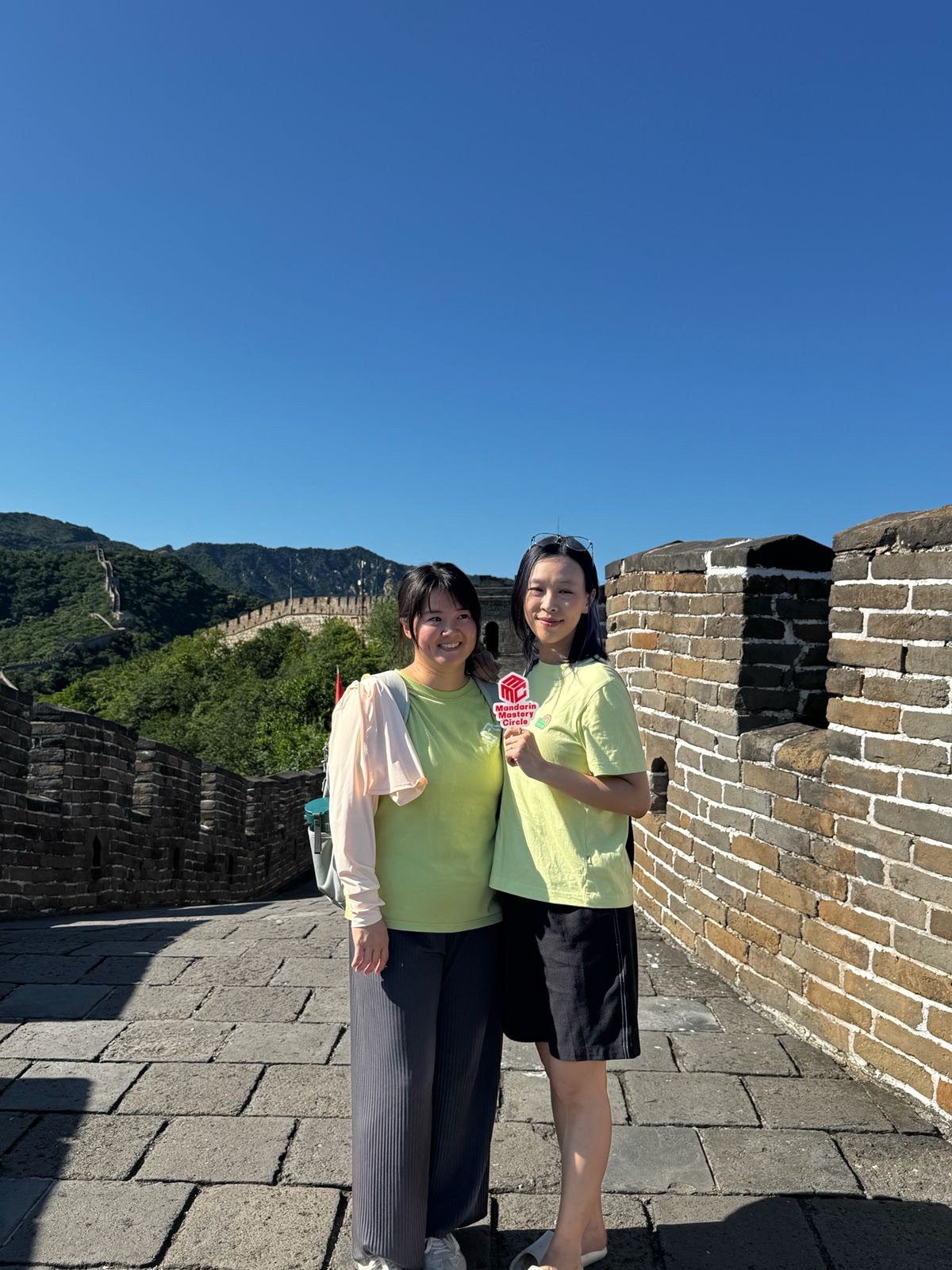
I built Mandarin Mastery Circle with Serena Yang Laoshi for one reason. To bring all three systems together, so that Indonesian families can plan their child's Mandarin and education path the way Singaporean families plan theirs. With strategy. With data. With honest answers. Even when the honest answer is "this is not the right time for you yet." I have refused commissions from universities. We do this on purpose, because we want a student-focused consultation, not a sales channel. That is where we stand. That is what we are building.
Saya bangun Mandarin Mastery Circle bersama Serena Yang Laoshi untuk satu alasan. Menyatukan tiga sistem itu, supaya keluarga Indonesia bisa merencanakan jalur Mandarin dan pendidikan anak mereka seperti keluarga Singapura merencanakan punya mereka. Dengan strategi. Dengan data. Dengan jawaban jujur. Bahkan saat jawaban jujurnya adalah "ini belum saatnya untukmu." Saya menolak komisi dari universitas. Kami melakukan ini dengan sengaja, karena kami mau konsultasi yang berorientasi pada siswa, bukan saluran penjualan. Di situ posisi kami. Itu yang sedang kami bangun.